Creating Our Children’s Future
Discover how Bhutan Sports Ventures is working to build a sustainable sporting future through investment, partnerships and meaningful opportunities for the next generation.
Building meaningful opportunities through sport, connecting Bhutan with athletes, communities, businesses, and the world.
A country’s sporting future is shaped long before its athletes step onto an international field, court or track. It takes shape through the opportunities available to children, the quality of coaching they receive, the facilities where they train, the competitions that test their abilities and the people and organisations willing to invest in their development. These elements rarely come together on their own. They require planning, resources, commitment and an understanding that sport needs a strong foundation if it is to grow.
For Bhutan, this is an important conversation as the country continues to develop its sporting ambitions. We have athletes who carry the national flag into international competitions, young people who discover confidence and discipline through sport, and communities that come together around sporting events. Each represents a part of Bhutan’s sporting identity, but the long-term strength of that identity will depend on how well we create and sustain opportunities for the generations that follow.
The question we should be asking is not only how far our athletes can go, but what kind of sporting environment we are creating to help them get there.
Every Opportunity Has a Beginning
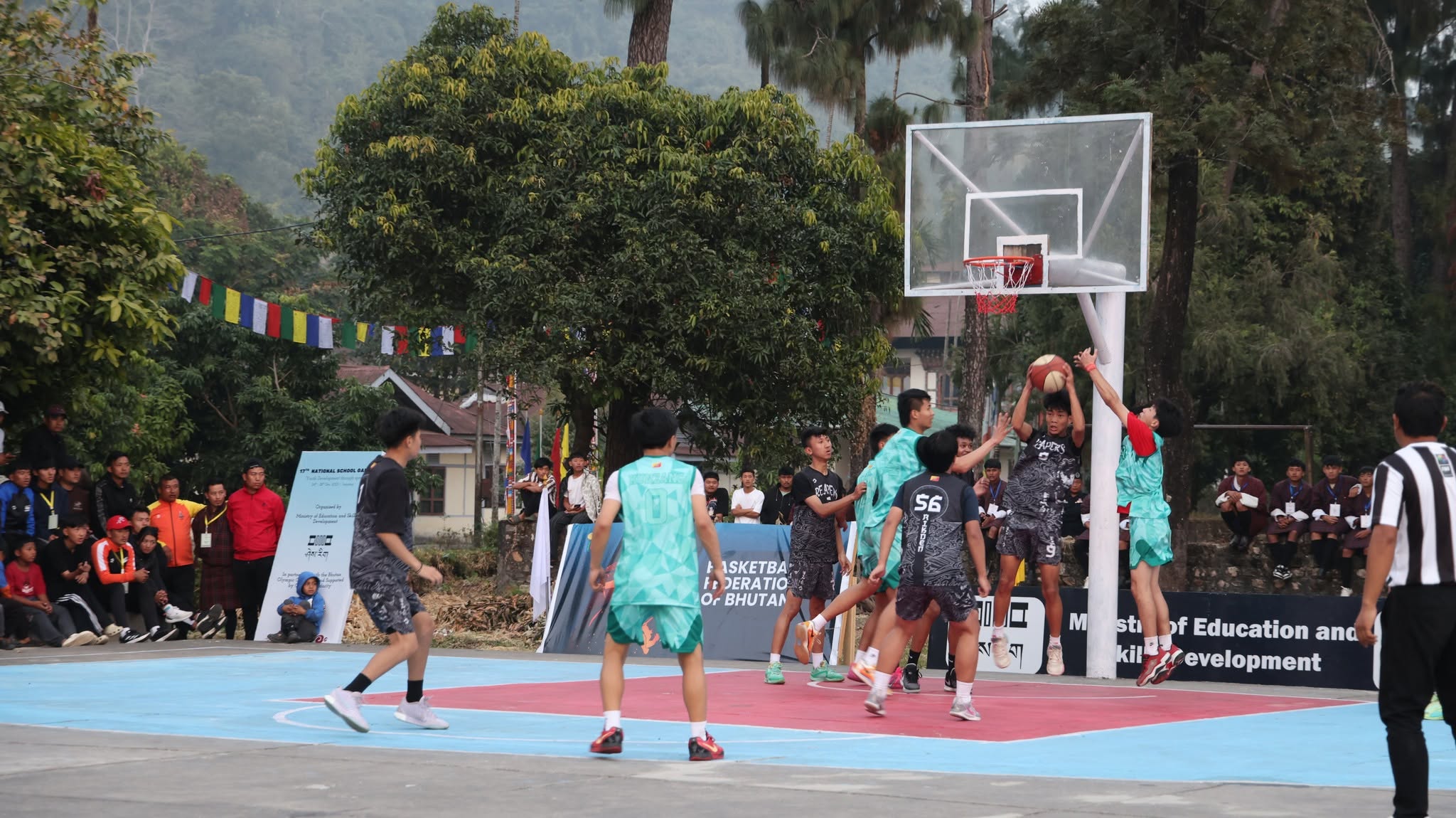
For a young athlete, the journey often begins with something simple: a chance to participate, a coach who recognises potential, a competition that offers a new challenge or a programme that allows an interest in sport to develop into a serious ambition. What happens next depends greatly on whether those opportunities continue to exist.
Talent alone cannot carry an athlete through every stage of development. Training requires access to appropriate facilities and equipment, progress depends on consistent coaching, and experience comes from competing against different levels of opposition. As ambitions grow, athletes also need access to sports science, professional guidance, exposure and the support systems that allow them to prepare and perform with confidence.
These are not isolated requirements; they are connected parts of a sporting pathway, and a weakness in one area can limit progress in another. If we want more young Bhutanese to participate, develop and eventually compete at higher levels, we need to consider the entire environment in which sport takes place, rather than focusing only on the results produced at the end of that journey.
This is where the responsibility extends beyond athletes and sporting bodies. Parents, schools, communities, businesses, institutions and the private sector all have a role in shaping an environment where participation can grow and sporting ambitions have a realistic opportunity to develop.
Sport is often discussed through medals, rankings and international results, which are important measures of competitive achievement, but its contribution to society reaches into many other areas. It brings people together across communities, gives young people a constructive space to develop their abilities, creates opportunities for employment and entrepreneurship, and provides a platform through which a country can introduce itself to the wider world.
A well-organised sporting event, for example, involves considerably more than the competition taking place on the field. It brings together organisers, technical officials, venues, accommodation providers, transport operators, media professionals, sponsors, suppliers and volunteers, creating work and commercial activity across different sectors. When events are planned with a clear purpose and managed professionally, they can also give host communities opportunities to participate in an industry that connects sport with tourism, hospitality, communications and business.
For Bhutan, this connection deserves greater attention. The country’s natural environment, cultural identity and growing interest in different forms of sporting activity offer opportunities to develop experiences that are distinctive and attractive to participants from within Bhutan and abroad. Realising that potential, however, requires more than identifying an opportunity; it requires the ability to develop a viable proposition, bring the right partners together, manage resources responsibly and deliver an experience that people value.
The development of sport and the development of commercial opportunities around sport should therefore be understood as connected efforts. A stronger sporting environment creates possibilities for business, while well-developed commercial partnerships can bring expertise, resources and opportunities into the sporting sector.
One of the challenges facing sports development is the need to balance immediate priorities with long-term investment. Competitions need to be organised, athletes need opportunities to participate, and sporting programmes require resources to operate, but lasting progress also depends on the less visible work of building systems, partnerships and financial arrangements that can support these activities over time.
This is particularly important when sport relies heavily on limited sources of funding. If every new initiative depends on securing support for that particular occasion, planning becomes difficult and continuity can be affected. A more sustainable approach involves developing different sources of revenue, creating commercial partnerships, making better use of sporting assets and identifying opportunities that can generate value for the organisations responsible for developing sport.
Businesses also need a clear reason to participate. Sponsorship and partnership arrangements become more meaningful when organisations can see the value of their involvement, whether through brand visibility, audience engagement, community participation, hospitality, content or association with a well-managed sporting property. This calls for a professional approach to commercial development, where partnerships are built around shared objectives and delivered with accountability.
The intention is not to turn every sporting activity into a commercial transaction. Sport has its own social, cultural and competitive value, and that must remain central to its development. Rather, the opportunity lies in building a more capable sporting sector, one that understands how to work with businesses and other partners while protecting the purpose and integrity of sport.
It is within this broader picture that Bhutan Sports Ventures (BSV), the wholly owned commercial arm of the Bhutan Olympic Committee, has its place.
BSV exists to develop the commercial side of sport through business opportunities, partnerships, professional asset management and initiatives that can contribute to a stronger financial foundation for the sporting sector. Its role is to identify where sport and business can work together, develop those opportunities into practical ventures and build relationships that create value for the organisations, partners and communities involved.
This requires a way of thinking that goes beyond organising individual events or securing sponsorship for a particular competition. It involves understanding the commercial potential of sporting properties, developing partnerships that can grow over time, exploring new revenue opportunities and ensuring that the assets entrusted to the organisation are managed with care and purpose.
For BSV, the work also means helping connect Bhutan’s sporting sector with businesses, brands, organisations and opportunities beyond the country’s borders. These relationships can introduce new expertise, create commercial possibilities and bring greater visibility to Bhutan as a destination for sporting events and experiences.
The measure of progress will not be the number of initiatives announced, but the quality of what is developed, the strength of the relationships established and the ability to turn opportunities into sustainable work. Building credibility in this space takes time, professional execution and a willingness to understand what partners need while remaining clear about the contribution sport can make.
International sporting connections are valuable not only because they allow athletes to compete abroad, but because they create opportunities for knowledge exchange, collaboration and wider engagement. Every meaningful partnership can open a door to new ideas, technical expertise, professional networks and experiences that may otherwise be difficult to access.
The same applies to bringing international sporting activities and participants to Bhutan. Events and sports experiences can introduce visitors to the country, create opportunities for local businesses and give Bhutanese professionals and volunteers the chance to work alongside people from different sporting environments. With the right planning and partnerships, these activities can contribute to a stronger presence for Bhutan within the regional and international sporting community.
There is also an opportunity to tell Bhutan’s story through sport. The athletes who represent the country, the communities that support them and the experiences created through sporting activities all contribute to how Bhutan is seen and understood by others. Developing that presence requires consistency, quality and the ability to create experiences that people remember and want to be part of.
BSV aims to contribute to this connection by bringing together the people, organisations and commercial interests that can help create meaningful sporting opportunities. The ambition is to make sport a stronger point of connection between Bhutan and the wider world, while ensuring that the opportunities developed also have relevance at home.
The sporting environment available to a child today is influenced by decisions being made across the sector: how resources are managed, which partnerships are developed, what programmes receive support, how competitions are organised and whether opportunities are created for participation and progression. These decisions may not produce immediate results, but together they shape the conditions in which the next generation will pursue its ambitions.
A child entering sport today should have a fair opportunity to learn, participate and improve, regardless of whether their journey eventually leads to international competition or simply a lifelong connection with physical activity. Those who discover exceptional ability should have pathways through which they can develop it, while the wider sporting community should have access to well-organised activities, capable institutions and opportunities to contribute.
Creating that environment is a shared responsibility, and it calls for a long-term commitment from sporting organisations, government institutions, businesses, communities and individuals who recognise the place sport can hold in Bhutan’s development.
For Bhutan Sports Ventures, the responsibility is to play its part by developing the commercial opportunities, partnerships and sporting experiences that can support this wider ambition. The work will involve building relationships, testing ideas, creating value and establishing a professional foundation from which future opportunities can grow.
Ultimately, the success of this effort should be reflected in the opportunities that become available to the next generation: the young people who find a place in sport, the athletes who receive the support to pursue higher levels of competition, the professionals who build careers within the sporting industry and the communities that benefit from being part of it.
Creating our children’s future means making the right decisions today, building the right foundations and ensuring that the opportunities we develop do not end with one event, one season or one generation.