Creating our Children’s future
Building meaningful opportunities through sport, connecting Bhutan with athletes, communities, businesses, and the world
The Story of Bhutan's Emerging Muay Thai Talent
What began as a virtual conversation between Victor Gurung, Associate Director for Commercial Operations, Media and Marketing at Bhutan Sports Ventures Limited (BSV), and Karma Songtsen Dorji, an emerging Bhutanese Muay Thai athlete currently training in Perth, Australia, soon turned into something more than an ordinary interview.
An engaging exchange about his journey, challenges, ambitions and passion for Muay Thai opened a window into the story of a young Bhutanese athlete determined to make his mark in the world of combat sports. From discovering the sport to stepping into the ring, training alongside experienced fighters, and dreaming of becoming the first professional Muay Thai champion from Bhutan, Karma’s journey is one of courage, discipline and belief.
What started as a conversation became an exclusive interview, and we are delighted to share it with everyone. Get to know the young athlete behind the gloves, his journey so far, and the dreams that are driving him forward.
Getting to Know Karma
Victor: Let’s start with you. For those who may not know you yet, tell us a little about yourself. Where are you from in Bhutan, and what are you currently doing in Australia?
Karma: I’m Karma Songtsen Dorji. My mother is from Chukha and my dad is from Thimphu. I recently completed my Bachelor’s degree in Information and Communication Technology, and I’m currently pursuing a postgraduate degree in Cybersecurity.
Victor: So, before Muay Thai came into the picture, what was life like? Were you always into sports?
Karma: Before Muay Thai, I was really into basketball. I’ve always enjoyed being active and playing sports.
How It All Started
Victor: What first got you interested in combat sports? Was there someone who introduced you to it?
Karma: I’ve always been interested in combat sports, and a lot of that came from my dad and brother. Sundays were special for us because we would get together as a family and watch UFC or boxing. That’s probably where my interest started.
Victor: And how did you eventually find your way into Muay Thai? What made you choose this particular sport?
Karma: I started looking for the nearest gym to my house and came across Riddlers Gym in Perth, which was a Muay Thai gym. I decided to give it a try, and I really enjoyed it. About six months into training, I took part in my first inter-club sparring session. My coach awarded me the Most Promising Fighter award, and that was a big moment for me. It made me realise that perhaps I had the potential to take this sport more seriously.
Victor: Do you remember that first sparring session? Were you nervous, or did you just get in there and give it your best?
Karma: I was definitely scared! I didn’t really have much on my mind. I just went in and gave it a try. I was matched against someone more experienced, but I realised that my body reacted quite well to the sport. Even my very first training session was intimidating. I remember thinking that I was just a boy from a small country and probably wouldn’t get very far. At the time, I thought Muay Thai would simply be something I did for fitness.
Victor: So becoming a fighter wasn’t really part of the original plan?
Karma: Not at all. I always had the dream of fighting, but I never actually imagined myself stepping into the ring. I thought the furthest I would go was telling people that I trained Muay Thai!
Victor: What did your parents think when you told them you were taking up a combat sport? I imagine your mum might have had a few concerns!
Karma: My parents have always supported me in whatever I do. I’ve been active and involved in sports since I was young, so my dad was actually quite happy that I picked up a sport where I could also learn self-control. My mum, being a mother, was naturally a little hesitant. She didn’t want me getting hurt, and I don’t think she expected me to take the sport as seriously as I do today.
Training, Studies and Life in Perth
Victor: Tell us a little about your training environment in Perth. Where are you training now, and have you had opportunities to train elsewhere?
Karma: I started at Riddlers Gym in Perth, and I’m still training there. It’s a prestigious gym that has produced many champions in Australia and internationally. I’ve also had the opportunity to travel to Thailand twice to train at Superbon Fight Camp, which has been a great experience for me.
Victor: You’re studying, working and training at the same time. That’s quite a lot to manage. How do you make it all work?
Karma: It’s definitely not easy. I’ve had to adjust to a very busy lifestyle. There are times when everything feels overwhelming, but I’ve learnt to keep the bigger picture in mind and remind myself why I’m doing all of this.
Victor: What does a typical day look like for you? How do you fit everything into your schedule?
Karma: I attend classes around two to three times a week. I also adjust my working hours and choose my class timings carefully so that I don’t miss my evening Muay Thai training.
Victor: That must mean missing out on quite a few things that most people your age enjoy. What sacrifices have you had to make?
Karma: Quite a lot, actually. I’ve had to miss parties, birthdays and social gatherings because of training. During fight camp, I also have to follow a strict diet, so eating out with friends isn’t always an option.
Victor: Have there been times when you felt like it was all becoming too much? How do you deal with those moments?
Karma: Honestly, it’s always challenging when you’re balancing work, studies and training. But I’ve realised that when you consistently do something for more than a month, it slowly becomes part of your routine. Time management and avoiding procrastination are two things I’ve learnt the hard way. You really have to be disciplined if you want to maintain this lifestyle.
Victor: Living away from home and pursuing something so demanding must have taught you a lot. What has Australia and this experience taught you about yourself?
Karma: It’s taught me that nothing is impossible. If you put your mind to something and are willing to work for it, you can turn what you imagine into reality.
Victor: Has Muay Thai changed you beyond just making you a better fighter?
Karma: Definitely. I’ve developed a lot of grit, and the discipline and dedication I’ve learnt through the sport have carried over into other parts of my life. I also feel more confident and safer because I know I can defend myself wherever I go. Meeting people from different cultures and backgrounds has helped me see life differently and approach things more positively. There’s a motto at my gym that says Muay Thai is a way of life, and that’s really how I see it now. It’s not just something I do at the gym. It’s something I live by.
Victor: What about the financial side of things? Is it difficult to manage the costs of training while studying abroad?
Karma: Yes, it can be difficult sometimes. Living in a foreign country means you have bills and other expenses to take care of. When you add gym memberships, recovery sessions and maintaining a proper diet, the costs can really add up.
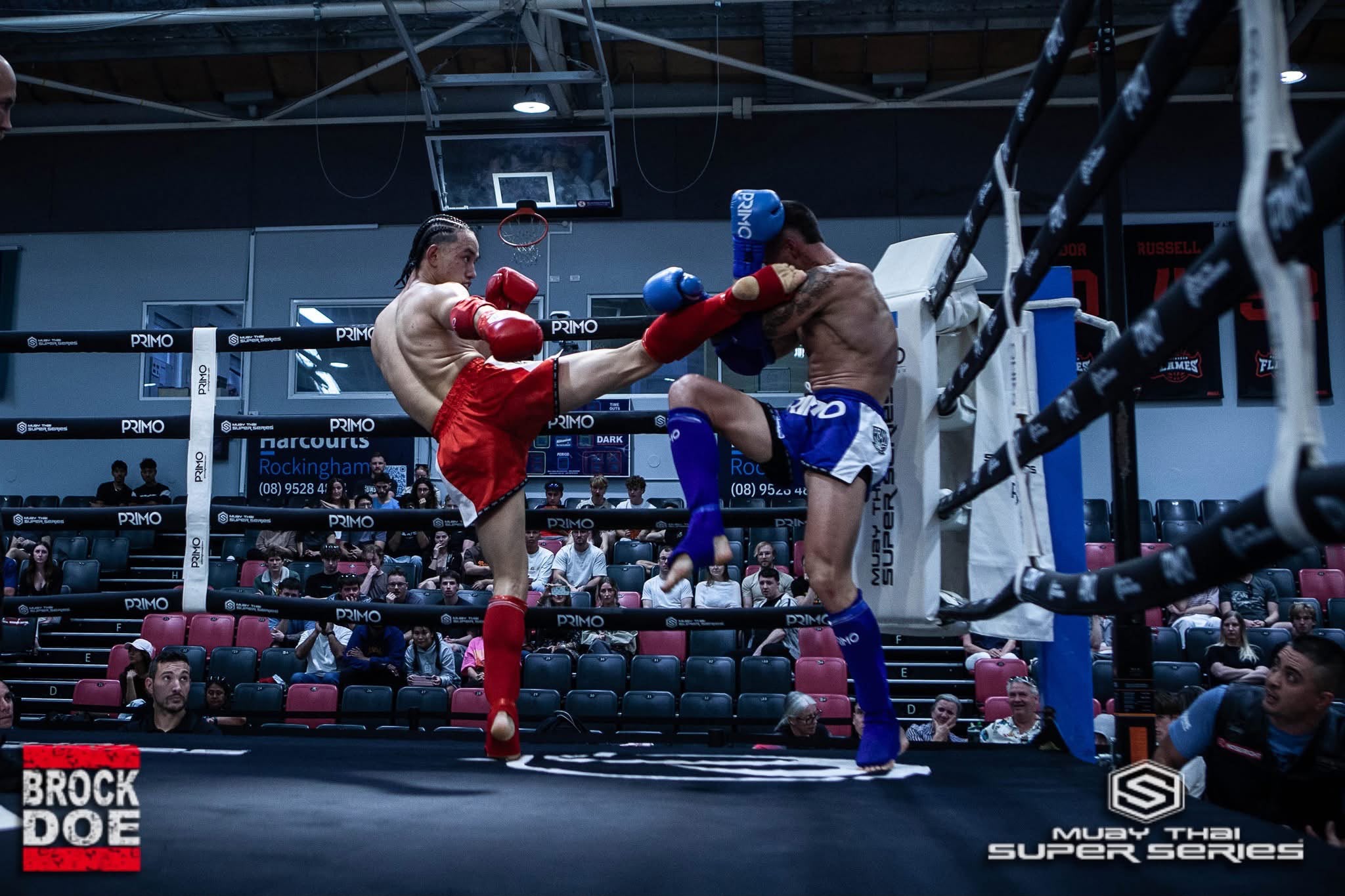
Stepping Into the Ring
Victor: Let’s talk about your fighting journey. You’ve come quite a long way in just two years. How would you describe your progress so far?
Karma: I can see a lot of improvement in my technique since I first started. The standard at my gym is very high, and I get to train alongside international champions. Being surrounded by experienced fighters has helped me grow tremendously, not just physically but also in terms of my technique and mindset.
Victor: How many fights have you had so far? And how has your competition journey been?
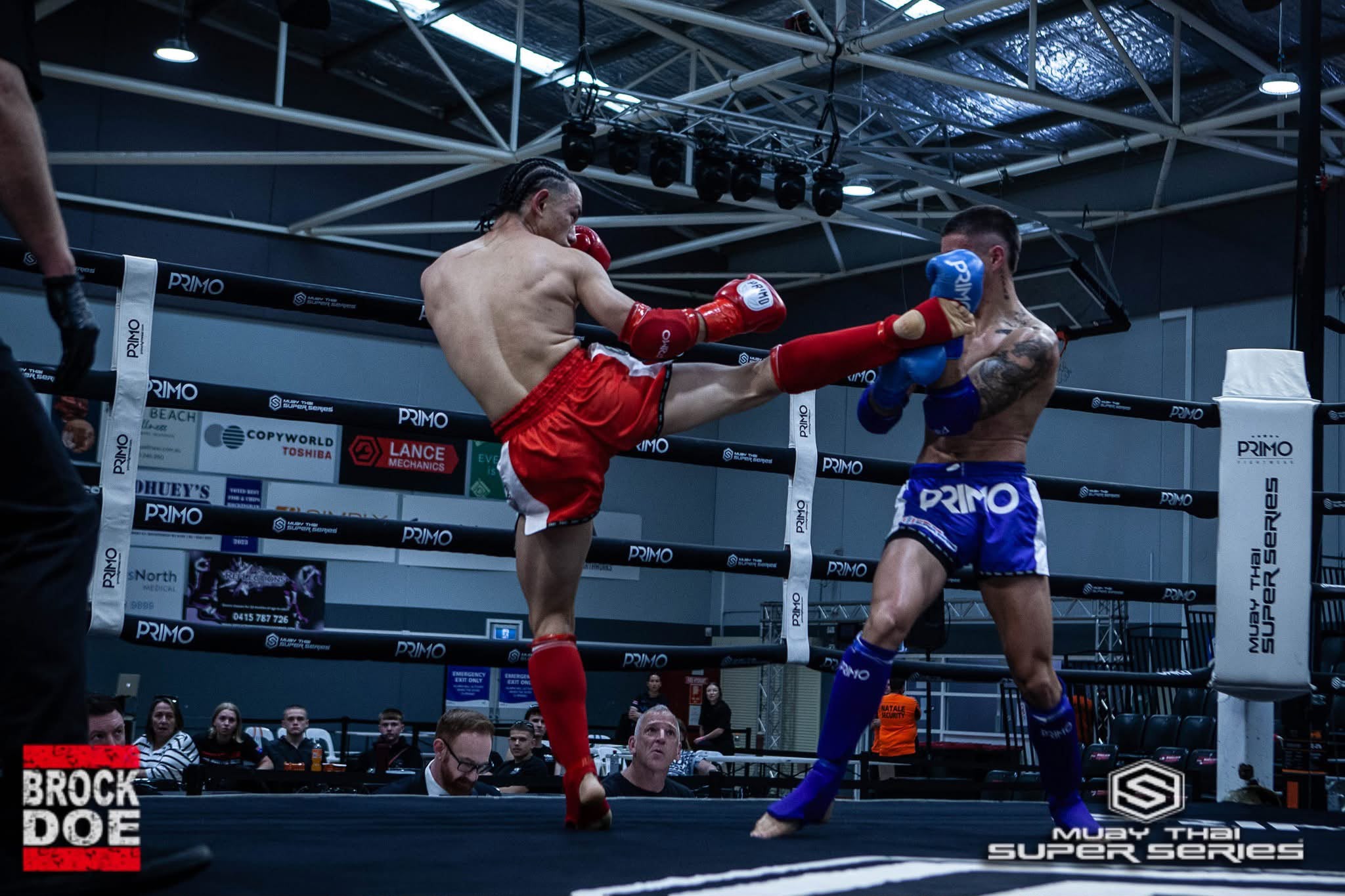
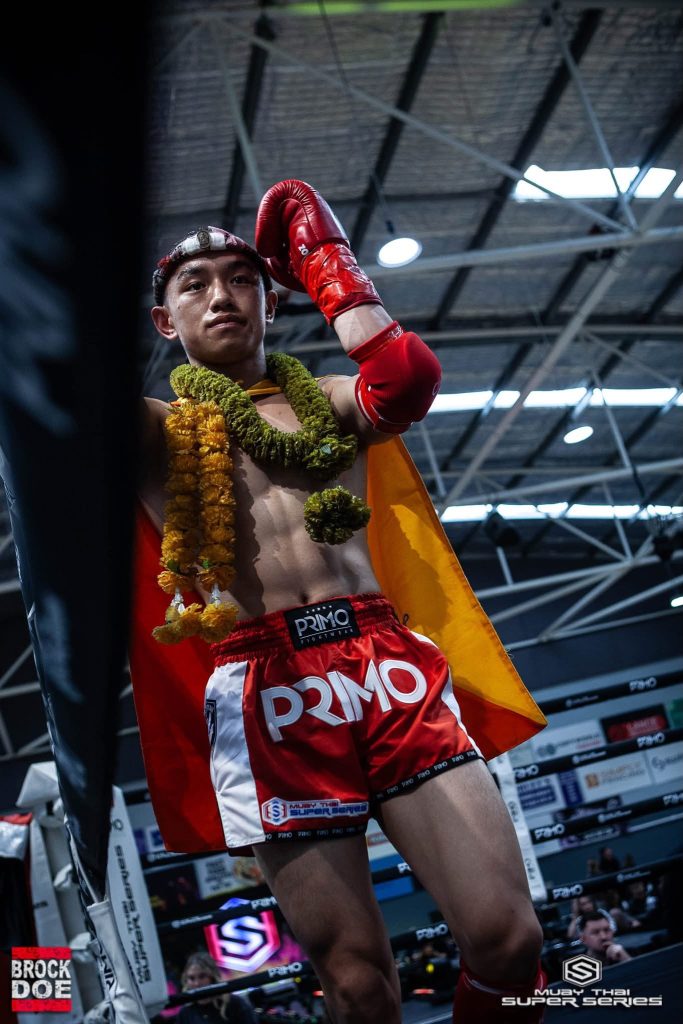
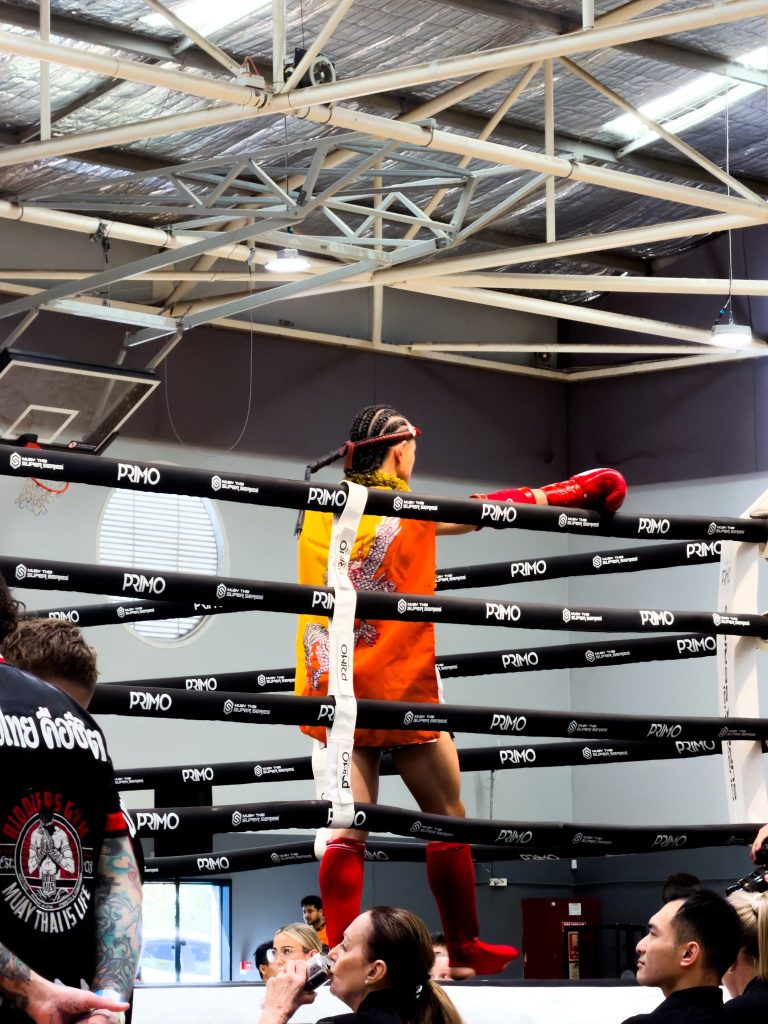
Karma: I’ve had four fights since starting Muay Thai two years ago. My amateur record currently stands at two wins and two losses. Most of my fights have been on the Empire Fight promotion, and my most recent fight was on the Muay Thai Super Series.
Victor: Is there one fight that stands out when you look back? Perhaps one that taught you something particularly important?
Karma: My third fight is probably the most memorable. I had lost my second fight, but I learnt a lot from that experience. In my third fight, I showed a lot of improvement and fought as though I had been doing this for a much longer time.
Victor: Every fight must come with its own challenges. Have you had any particularly difficult experiences during fight preparation or in the ring?
Karma: Every fight has its own challenges. No fight camp is ever perfect. Sometimes you get a cold, sometimes ringworm, or sometimes you pick up an injury. You just have to work around those challenges and keep going.
Victor: You’ve experienced both wins and losses. What have they taught you?
Karma: I see victories as a reward for all the hard work you put in. But I honestly think you learn much more from losing. I always say there are no losses, only lessons. Losing is an important part of growing because it shows you where you’re lacking and what you need to improve before your next fight.
Victor: What goes through your mind before you step into the ring? Are you someone who gets nervous, or do you manage to stay calm?
Karma: I do get scared and nervous before a fight, and I think that’s normal. But I’ve learnt to embrace those emotions rather than fight them. Physically, the hard work and dedication during fight camp prepare you for the challenge. Mentally, it’s a different story. But once it’s time to step into the ring, I feel like that’s where I belong. That’s where I shine, and by fight day, I’m always confident.
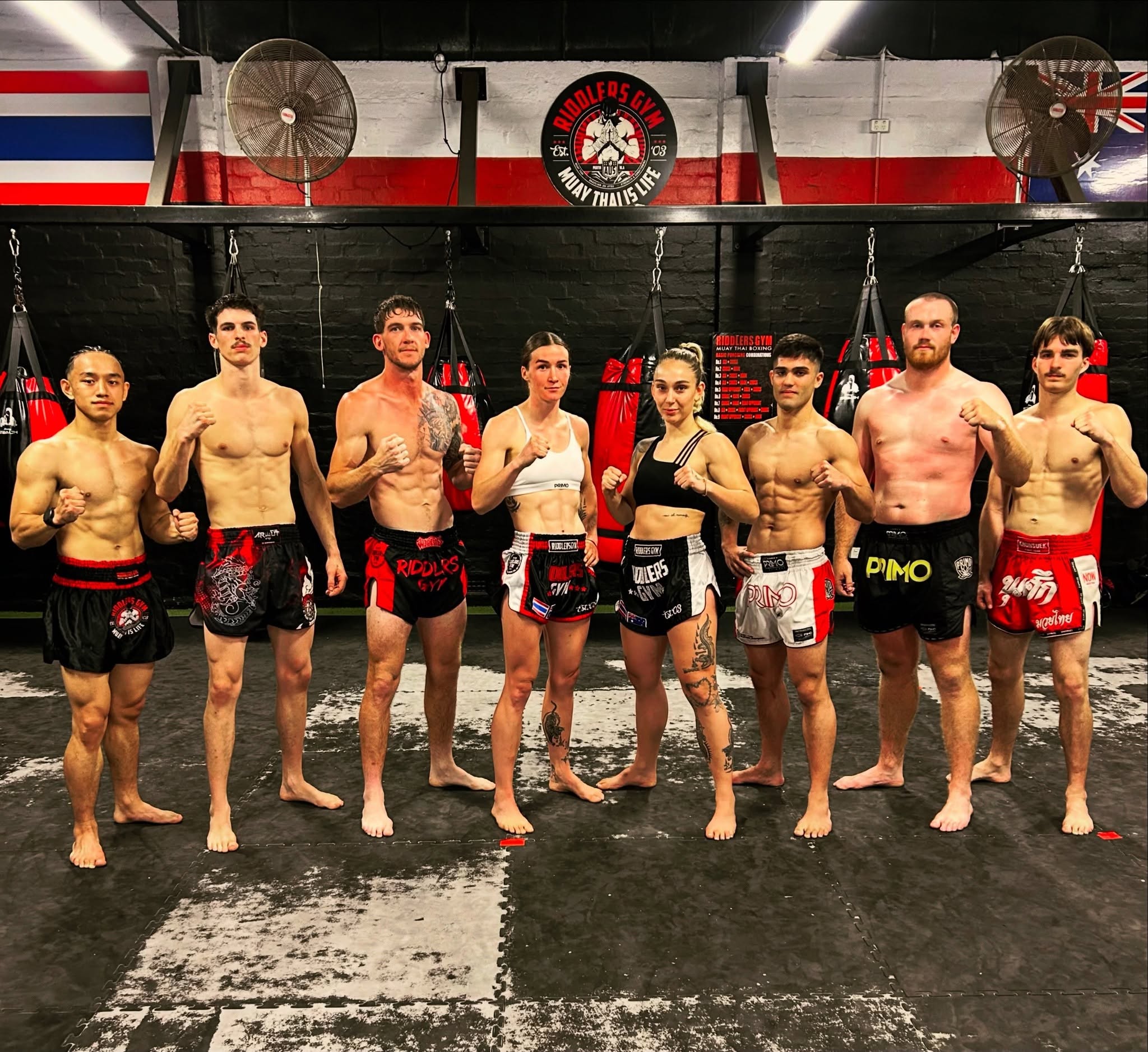
The People Behind the Journey
Victor: Your last fight didn’t go the way you wanted, if I understand correctly. What have you been working on since then?
Karma: I lost my last fight because I became overconfident. I didn’t pace myself properly and didn’t fight the way I had trained. For this camp, I’m focusing a lot more on the mental side of things. I’m learning to accept the defeat, confront my own mistakes and prepare myself for situations where things might not go according to plan in the ring.
Victor: Every athlete needs a good team behind them. Who are some of the people you’d really like to acknowledge for helping you get to where you are today?
Karma: First, I’d like to thank my head coach, Darren Reece, for giving me every opportunity and creating such a great environment for me to learn Muay Thai. I’d also like to thank my other coaches, Dylan, Barrie and Reggie, for preparing me for my fights. Max McVicker and Georgemann have helped me tremendously with personal training. Both are former Australian champions with more than 100 fights of experience, and they’ve been a big part of my growth. Then there are Glenn and Anthony Vo, who are like big brothers to me. They’ve pushed me, supported me and helped me grow more than they probably realise. Lastly, my friends Tadhg and Dylan have made me feel at home, supported me throughout this journey and helped me fall even more in love with the sport.
Victor: That’s quite a support system. Looking ahead, what’s the next big milestone you’re working towards?
Karma: My immediate goal is to become a professional fighter by the end of next year.
Victor: That’s a big step! But what has been the hardest part of this journey so far? Was there ever a point when you seriously doubted yourself?
Karma: Self-doubt has probably been the hardest part. I started quite late compared to many other fighters, so sometimes I feel like I need to work twice as hard to catch up. The guidance and support of the people around me have kept me going. But what really drives me is the bigger picture. I want to become the first professional Muay Thai champion from Bhutan. That’s something I constantly remind myself of.
Victor: You mentioned self-doubt. Does it still come back, even now that you’ve had several fights?
Karma: All the time! I always question myself. Self-doubt is always there, but I believe a lot of it exists in our minds rather than in reality. If you can win the battle in your mind, you can bring your dreams into existence. I’m probably a little delusional when it comes to believing that whatever I dream of can become reality, but I think that’s what keeps me going!
Victor: And when you have those difficult days, especially being away from Bhutan, who do you turn to?
Karma: My mum. I speak to her whenever I’m feeling homesick or struggling with something. She’s always my guidance, and somehow she always has an answer to my questions and self-doubt.
Victor: Looking back at the person you were when you first walked into the gym, how much do you think you’ve changed?
Karma: A lot. Muay Thai has made me much more disciplined. I feel better about myself, especially because the sport demands that you stay fit and take care of your body. I’ve also learnt to control my emotions. But I think the biggest change has been in the way I approach life. I used to think quite negatively and saw life and the people around me as competition. Now, I focus more on improving myself. I’ve learnt that when you love yourself, everything around you starts to feel more positive.
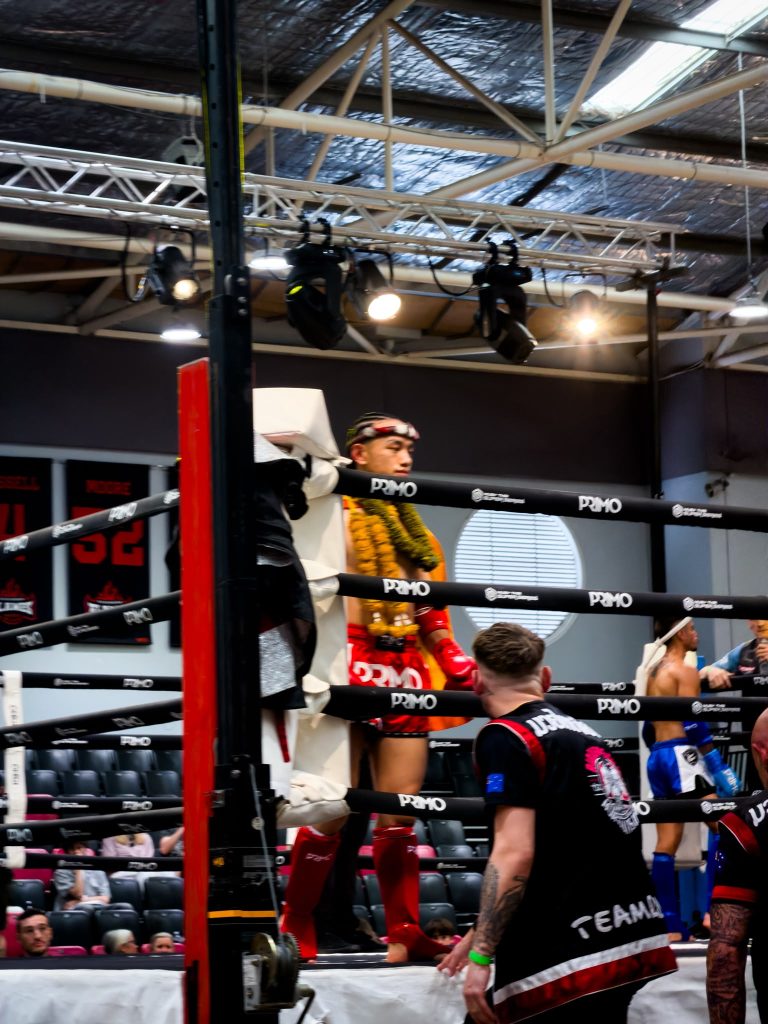
Carrying Bhutan With You
Victor: Let’s talk about Bhutan. You’re pursuing a sport that isn’t particularly well established back home, and you’re doing it on the international stage. What does being Bhutanese mean to you as you follow this path?
Karma: Growing up, I often heard people say that this sport wasn’t for us. I also grew up seeing Bhutan struggle to perform at the international level in many sports.
There’s this preconceived notion that Bhutanese athletes cannot compete internationally, and that’s something I really want to change. I want to challenge that doubt and show that we can do it too.
Victor: Do you think your upbringing in Bhutan has influenced the way you approach training and competition?
Karma: To some extent, yes. I think the discipline and respect for elders that I grew up with in Bhutan have played an important role in how I approach my training.
Victor: What happens when you tell people in Perth that you’re from Bhutan and that you actually compete in Muay Thai? Are they surprised?
Karma: All the time! Most people assume I train just to keep fit. They’re usually quite surprised when I tell them that I actually compete and step into the ring.
Victor: Do you see yourself competing internationally in the future, perhaps representing Bhutan if the right opportunities and pathways become available?
Karma: Absolutely, yes.
Victor: Muay Thai is still relatively unfamiliar to many young people in Bhutan. What do you think needs to happen for more young Bhutanese to explore sports beyond the usual disciplines?
Karma: I think exposure is really important. If more sports are introduced in schools and colleges, young people will have the opportunity to try different things, discover what they enjoy and find opportunities beyond the more popular sports.
Victor: And for a young person in Bhutan who might be interested in taking up an unfamiliar sport but is afraid to take that first step, what would you tell them?
Karma: Don’t shy away from difficult things. Face them head-on. The worst that can happen is that you fail and learn something from the experience. There are no losses, only lessons, so don’t be afraid to try something new. The only people who will judge you are often the people who aren’t doing anything for themselves.
The Road Ahead
Victor: Let’s look a little further ahead. Where do you hope to see yourself in the next three to five years?
Karma: I want to become a professional fighter and have at least 20 fights under my belt within the next five years.
Victor: Is there a particular title or championship that you’re dreaming of winning?
Karma: Yes. I want to become the first Bhutanese fighter to win a championship belt, specifically the WBC Australian belt in my weight division.
Victor: That’s quite an ambition, Karma. And finally, when people look back at your journey years from now, what would you want them to remember about you?
Karma: I want them to remember that a kid from a small country believed in himself and made all his dreams come true because he had a vision and stayed committed to it through all the ups and downs.